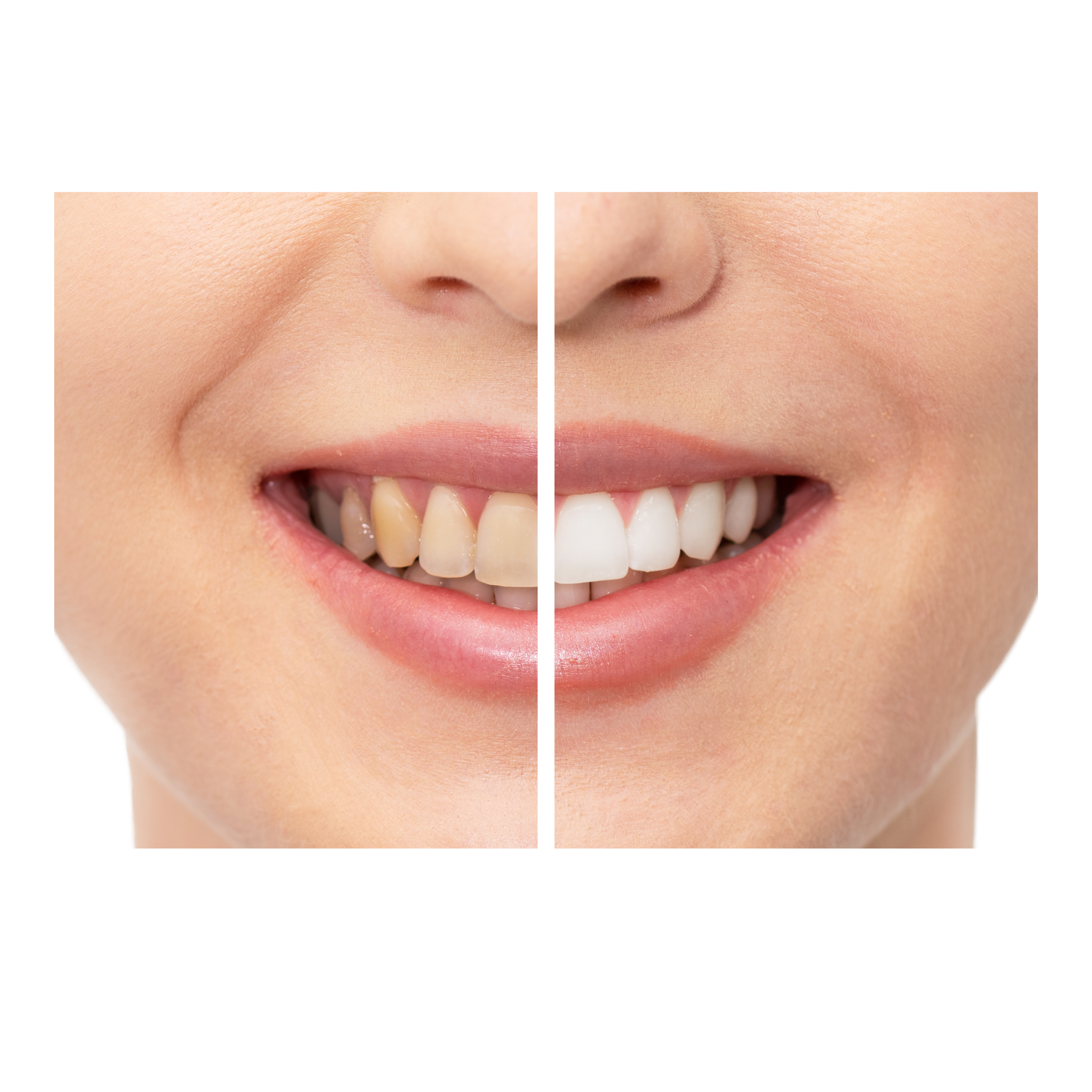
What is Teeth Whitening?
- Teeth whitening is a cosmetic procedure that involves lightening the shade of your teeth to achieve a brighter smile.
- This process can be done in-office by a professional or at home using whitening kits.
Treatment Process
- In-Clinic teeth whitening typically involves a bleaching agent being applied to the teeth and activated with a special light.
- At-home whitening kits often include custom trays that hold the bleaching gel against the teeth for a certain period of time.
- The treatment process can vary in duration and effectiveness, depending on the method chosen.
Benefits of Teeth Whitening
- A whiter smile can boost your confidence and enhance your overall appearance.
- Teeth whitening can also remove stains from coffee, tea, and other foods, improving your oral health.
- Studies have shown that a brighter smile can make you appear more attractive and approachable to others.
Aftercare & Maintenance
- After teeth whitening, it’s important to avoid staining foods and beverages like red wine and berries.
- Brushing and flossing regularly can help maintain your results and prevent new stains from forming.
- Touch-up treatments may be necessary every few months to keep your smile looking its best.
Frequently Asked Questions
How does teeth whitening work?
It typically involves the application of whitening agents like hydrogen peroxide or carbamide peroxide that penetrate the enamel to break down stains.
Is teeth whitening safe?
When performed by a professional or following the manufacturer’s instructions for at-home kits, teeth whitening is considered safe. However, it may cause sensitivity for some individuals.
How long do teeth whitening results last?*
The effects can last from a few months to three years, but this varies widely depending on lifestyle habits such as smoking, and consumption of staining foods and drinks.
Can teeth whitening damage enamel?
Current evidence suggests that professional teeth whitening treatments do not damage tooth enamel when done correctly and under professional guidance.
Who should not undergo teeth whitening?
Pregnant women, individuals with gum disease, worn enamel, cavities, or those allergic to peroxide should avoid teeth whitening.
Does teeth whitening work on all types of teeth?
Whitening works best on teeth with yellow tones and may not be as effective on teeth with gray tones or on dental restorations such as crowns, veneers, or fillings.
 SURGIDERMA DENTAL