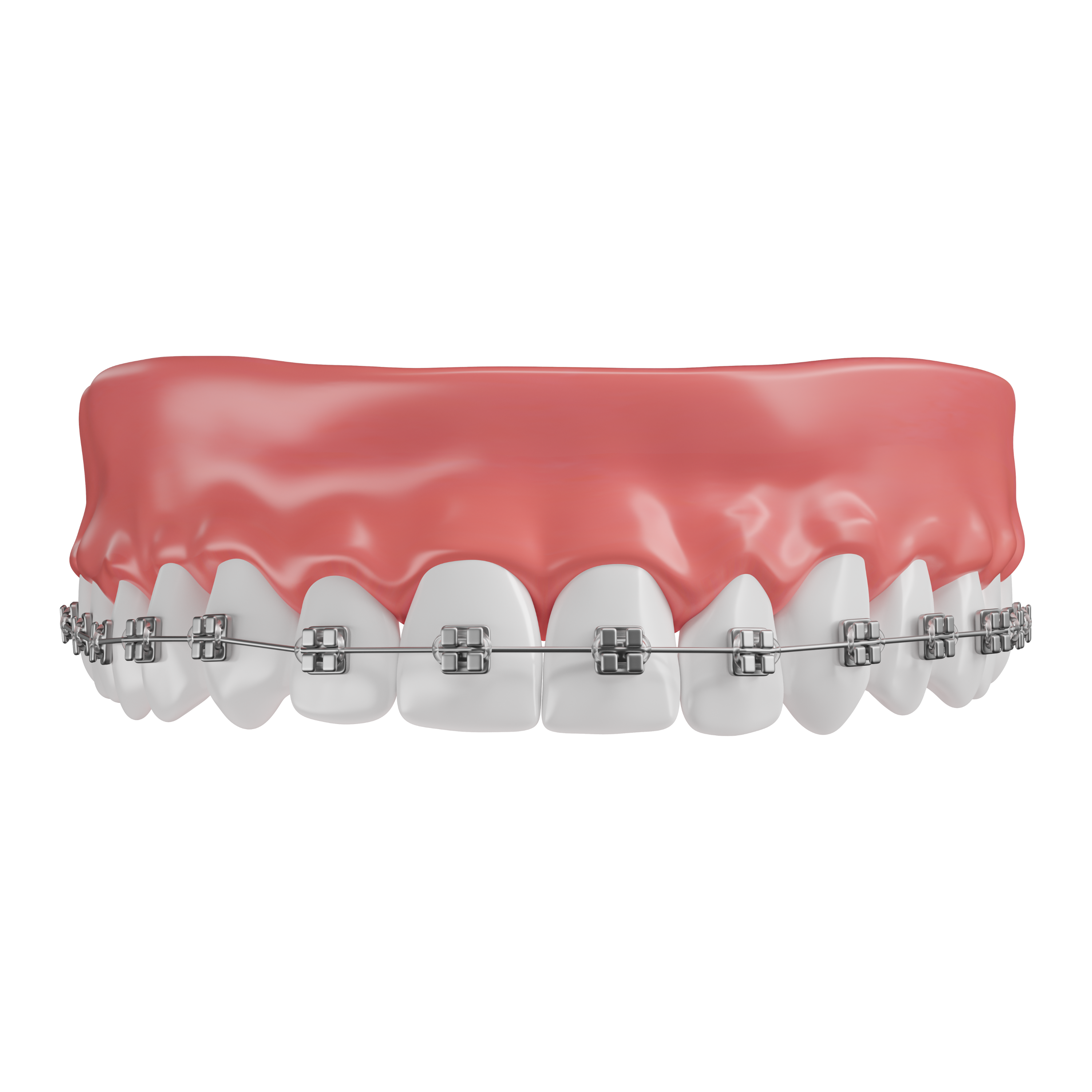
What are Braces ?
- Braces are metal brackets attached to your teeth that are connected by wires and rubber bands. They work by gradually shifting your teeth into proper alignment.
- Traditional braces are effective for correcting even the most complex dental issues, such as overcrowding, crooked teeth, and bite alignment.
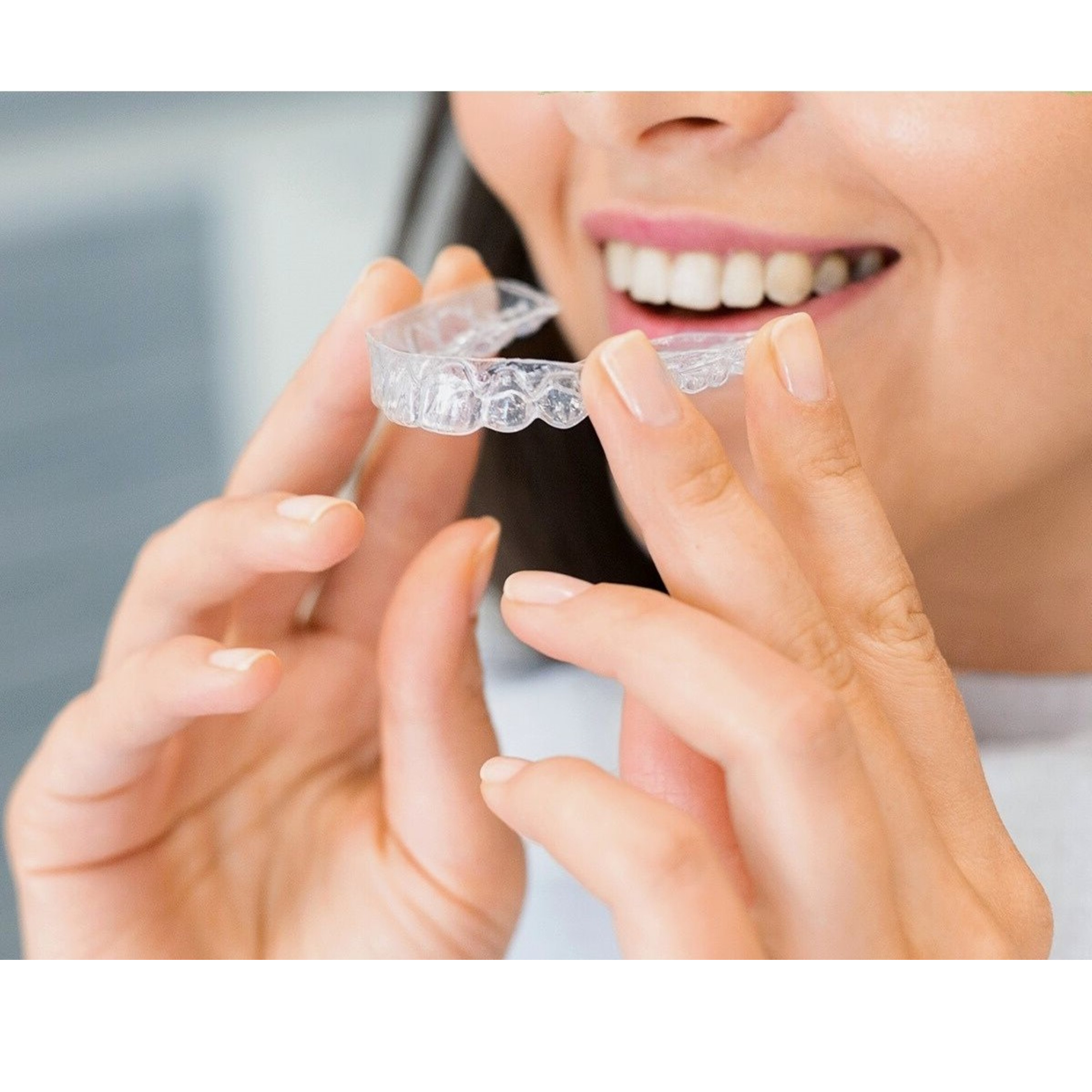
What is Invisalign?
- Invisalign is a more discreet alternative to traditional braces. It consists of clear, custom-made aligners that are worn over your teeth.
- The aligners are changed every few weeks to gradually move your teeth into the desired position, offering a more comfortable and convenient treatment option.
Treatment Process
- Both braces and Invisalign require regular visits to the orthodontist for adjustments and progress checks.
- The treatment process typically lasts between 6 months to 2 years, depending on the severity of your dental issues.
- Your orthodontist will create a personalized treatment plan to address your specific needs and goals for your smile.
Benefits of Orthodontic Treatment
- Improved oral health: properly aligned teeth are easier to clean and less prone to decay and gum disease.
- Enhanced aesthetics: a straighter smile can boost your confidence and overall self-esteem.
- Better bite function: correcting misalignments can alleviate issues such as jaw pain and difficulty chewing.
Aftercare & Maintenance
- After your treatment is complete, you may need to wear a retainer to prevent your teeth from shifting back to their original position.
- Maintain good oral hygiene by brushing and flossing regularly, as well as attending follow-up appointments with your orthodontist.
- It’s important to follow your orthodontist’s instructions for aftercare to ensure long-lasting results and a beautiful smile.
Frequently Asked Questions
Braces
How do braces work?
Braces apply continuous pressure over time to slowly move teeth into the desired position
What types of braces are available?
Several types include traditional metal braces, ceramic braces, lingual braces, and clear aligners like Invisalign.
Who needs dental braces?
Individuals with crooked teeth, overcrowding, gaps, overbite, underbite, or other alignment issues may benefit from braces.
How long does one have to wear braces?
Treatment duration varies, typically ranging from 18 months to 3 years, depending on the individual’s needs and compliance.
What happens after braces are removed?
After removal, wearing a retainer is necessary to maintain the new position of your teeth, as prescribed by your orthodontist.
Invisalign
How does it work?
Invisalign is a clear aligner system designed to straighten teeth discreetly. It uses a series of custom-made, clear plastic aligners that gradually move your teeth into the desired position.
Is Invisalign treatment painful?
Invisalign aligners may cause mild discomfort when a new set is first worn, but this typically subsides within a few days. Overall, Invisalign is considered less painful than traditional braces.
How long does Invisalign treatment take?
The duration of Invisalign treatment varies depending on the individual’s dental needs but typically ranges from 12 to 18 months.
Can Invisalign fix all types of dental issues?
Invisalign is effective for correcting many dental issues, including overcrowding, gaps, and certain bite problems. However, severe cases may require alternative treatments.
What is the difference between Invisalign and traditional braces?
The main difference is that Invisalign aligners are nearly invisible and can be removed, offering a more aesthetic and flexible option compared to metal braces.
How do I clean my Invisalign aligners?
Invisalign aligners should be cleaned daily with a soft-bristled toothbrush and water. Avoid hot water as it can warp the plastic. Special cleaning crystals are also available.
 SURGIDERMA DENTAL