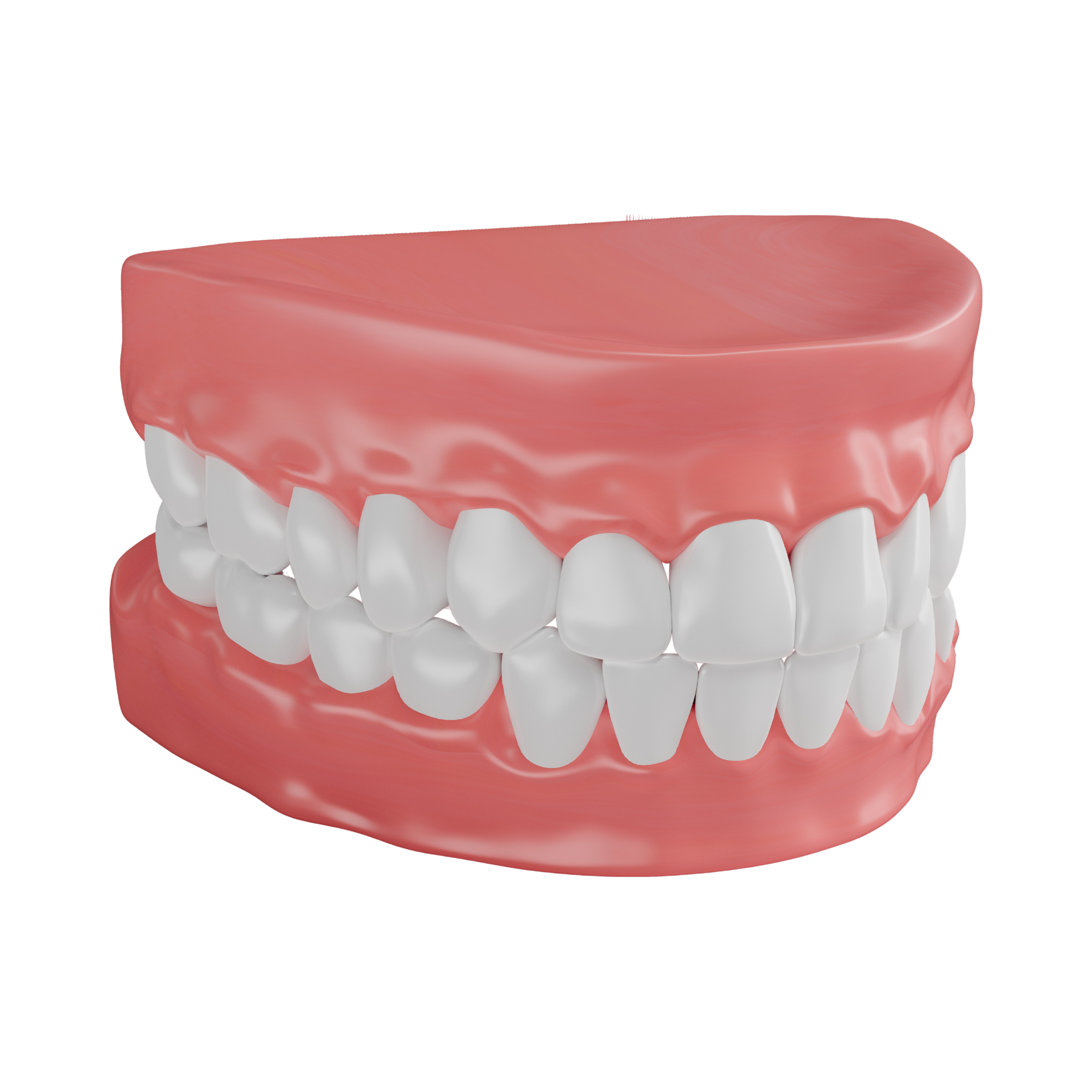
What are Dentures?
- Dentures are custom-made replacements for missing teeth that can be removed and reinserted into your mouth.
- There are two main types of dentures: complete dentures for when all teeth are missing, and partial dentures for when some natural teeth remain.
Treatment Process
- The first step in getting dentures is an initial consultation with a dentist to discuss your options and assess your oral health.
- Impressions of your mouth will be taken to create a personalized set of dentures that fit comfortably and securely.
- Once the dentures are ready, you will have a fitting appointment to ensure they fit properly and make any necessary adjustments.
Benefits of Dentures
- Dentures can improve your ability to chew and speak properly, while also restoring your smile and facial structure.
- They can also prevent further oral health issues that may arise from missing teeth, such as shifting of remaining teeth or jaw joint problems.
Aftercare and Maintenance
- Proper denture care includes brushing your dentures daily with a soft-bristled brush and soaking them overnight in a denture cleanser.
- It’s important to remove your dentures at night to give your gums a chance to rest and prevent fungal infections.
- Regular dental check-ups are essential to ensure your dentures fit correctly and to address any issues that may arise.
Frequently Asked Questions
How do I know if I need dentures?
You might need dentures if you’re missing several teeth or have severe gum disease or tooth decay. A dental evaluation can confirm this.
Are dentures comfortable?
While there’s an adjustment period, modern dentures are designed for comfort and functionality, fitting more naturally over time.
How long does it take to get used to dentures?
Adjustment periods vary, but most people start to feel comfortable with their dentures within a few weeks to a few months.
Can I eat normally with dentures?
Yes, though it may take some time to adjust. Starting with soft foods and cutting food into small pieces can help ease the transition.
Do dentures need to be replaced?
Over time, dentures may need to be remade, rebased, or relined due to normal wear and changes in your mouth. Regular dental check-ups are recommended.
Can dentures slip or cause discomfort?
Properly fitted dentures should not slip. If you experience discomfort or your dentures slip, consult your dentist for an adjustment.
Will dentures affect how I speak?
You may notice some changes in speech initially, but these usually improve with practice and time as you adjust to your dentures.
Are there alternatives to dentures?
Yes, alternatives include dental implants and bridges. Your dentist can help determine the best option based on your dental health and needs.
 SURGIDERMA DENTAL