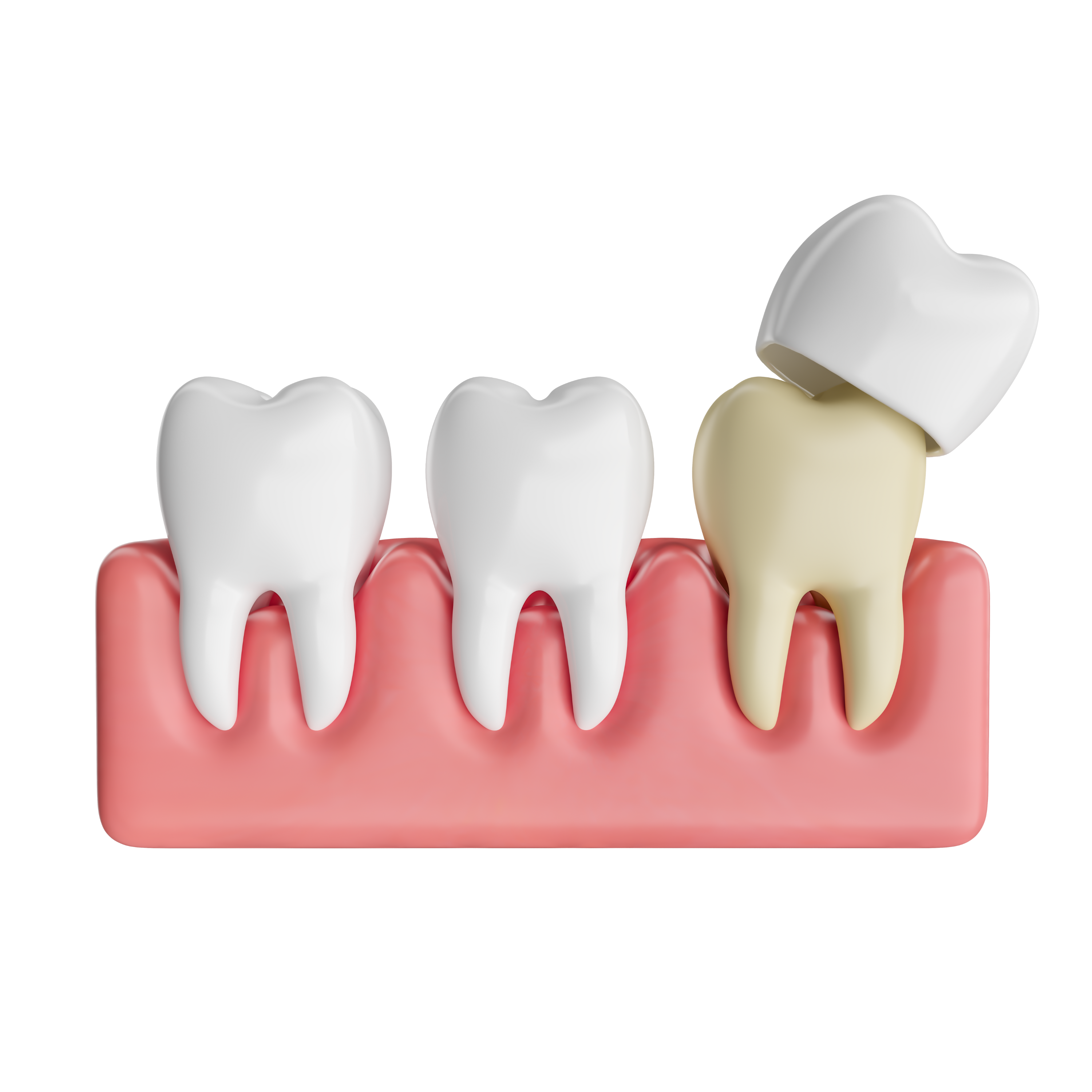
What are Dental Crowns?
- Dental crowns, also known as caps, are custom-made covers that encase the entire tooth.
- They are used to restore the shape, size, and function of a tooth that has been damaged or weakened.
- Crowns can be made from various materials such as porcelain, ceramic, metal, or a combination of these.
When is a dental crown needed?
Crowns are needed for protecting a weak tooth, restoring a broken tooth, covering a dental implant, or enhancing cosmetic appearance.
Treatment Process
- The first step involves a thorough examination and preparation of the tooth that needs a crown.
- Your dentist will then take impressions of your tooth to create a custom crown that fits perfectly.
- While waiting for the permanent crown to be made, a temporary crown will be placed to protect the tooth.
Benefits of Dental Crowns
- Dental crowns can improve the appearance of your smile by covering discolored or misshapen teeth.
- They can restore the functionality of a damaged tooth, allowing you to eat and speak comfortably.
- Crowns can also provide protection to a weak tooth or hold together a cracked tooth.
Aftercare and Maintenance
- After getting a dental crown, it’s important to maintain good oral hygiene by brushing and flossing regularly.
- Avoid chewing hard or sticky foods that could damage the crown.
- Follow up with your dentist for regular check-ups to ensure the crown is in good condition.
Frequently Asked Questions
How long does a dental crown last?
With proper care, dental crowns can last between 5 to 15 years, depending on wear and tear and oral hygiene practices.
Is the procedure for getting a dental crown painful?
Discomfort is minimal as the procedure is performed under local anesthesia to numb the tooth and surrounding area.
How do I care for my dental crown?
Maintain good oral hygiene by brushing twice a day, flossing daily, avoiding hard foods, and visiting the dentist regularly.
Are there alternatives to dental crowns?
Alternatives include dental fillings, inlays, onlays, or dental veneers, depending on the tooth’s condition.
 SURGIDERMA DENTAL