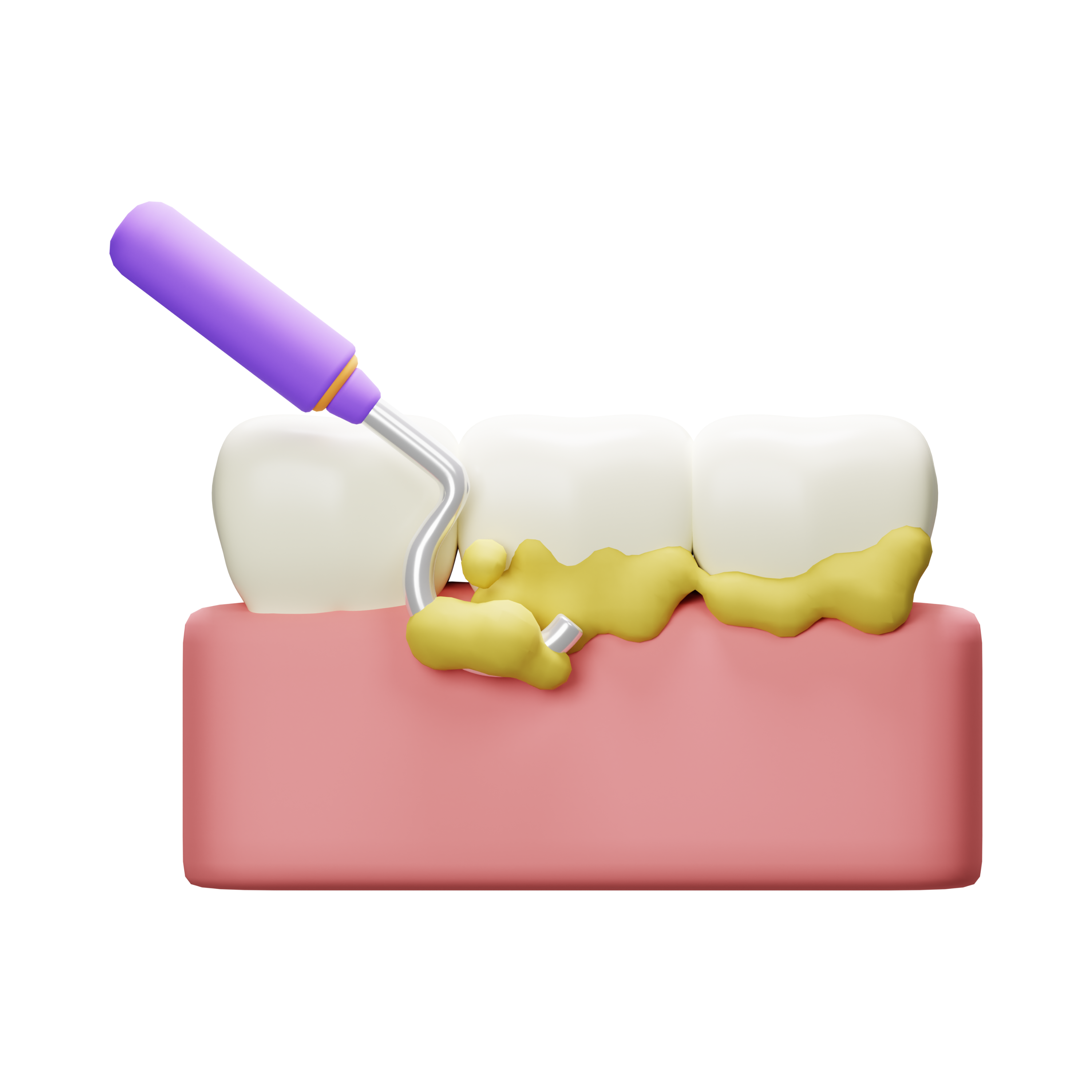
What is Dental Scaling
- Dental scaling is a deep cleaning procedure that removes plaque and tartar buildup from the teeth and gum line.
- This process is essential for maintaining good oral hygiene and preventing gum disease.
Treatment Process
- During a dental scaling appointment, a hygienist will use specialized tools to scrape away plaque and tartar.
- Sometimes, ultrasonic devices are used to break down stubborn deposits.
- The teeth are then polished to remove any remaining particles and leave them smooth and clean.
Benefits of Dental Scaling
- Dental scaling helps prevent gum disease, tooth decay, and bad breath.
- It can also improve the overall appearance of your smile by removing stains and discoloration.
- Regular scaling treatments can save you money in the long run by avoiding costly dental procedures.
Aftercare & Maintenance
- After a dental scaling appointment, it is important to follow proper oral hygiene practices at home.
- Brushing and flossing regularly, using mouthwash, and visiting your dentist for check-ups are essential.
- Avoiding tobacco products and maintaining a balanced diet also contribute to the success of your dental scaling treatment.
Frequently Asked Questions
How often should I get dental scaling?
Most dentists recommend dental scaling at least twice a year, but it may vary based on your oral health needs
Is dental scaling painful?
You may experience discomfort during scaling, but dentists often use local anesthesia to minimize pain.
Can dental scaling damage my teeth?
When performed by a professional, dental scaling is safe and does not damage your teeth.
How long does a dental scaling procedure take?
The duration of dental scaling can vary but typically takes about 30 to 60 minutes, depending on the extent of cleaning needed.
What should I expect after dental scaling?
You may experience slight sensitivity or bleeding gums after scaling, but these symptoms usually subside within a few days.
Are there any risks associated with dental scaling?
Dental scaling is generally safe, but like any medical procedure, it may carry risks such as infection or increased sensitivity, especially if aftercare instructions are not followed
 SURGIDERMA DENTAL