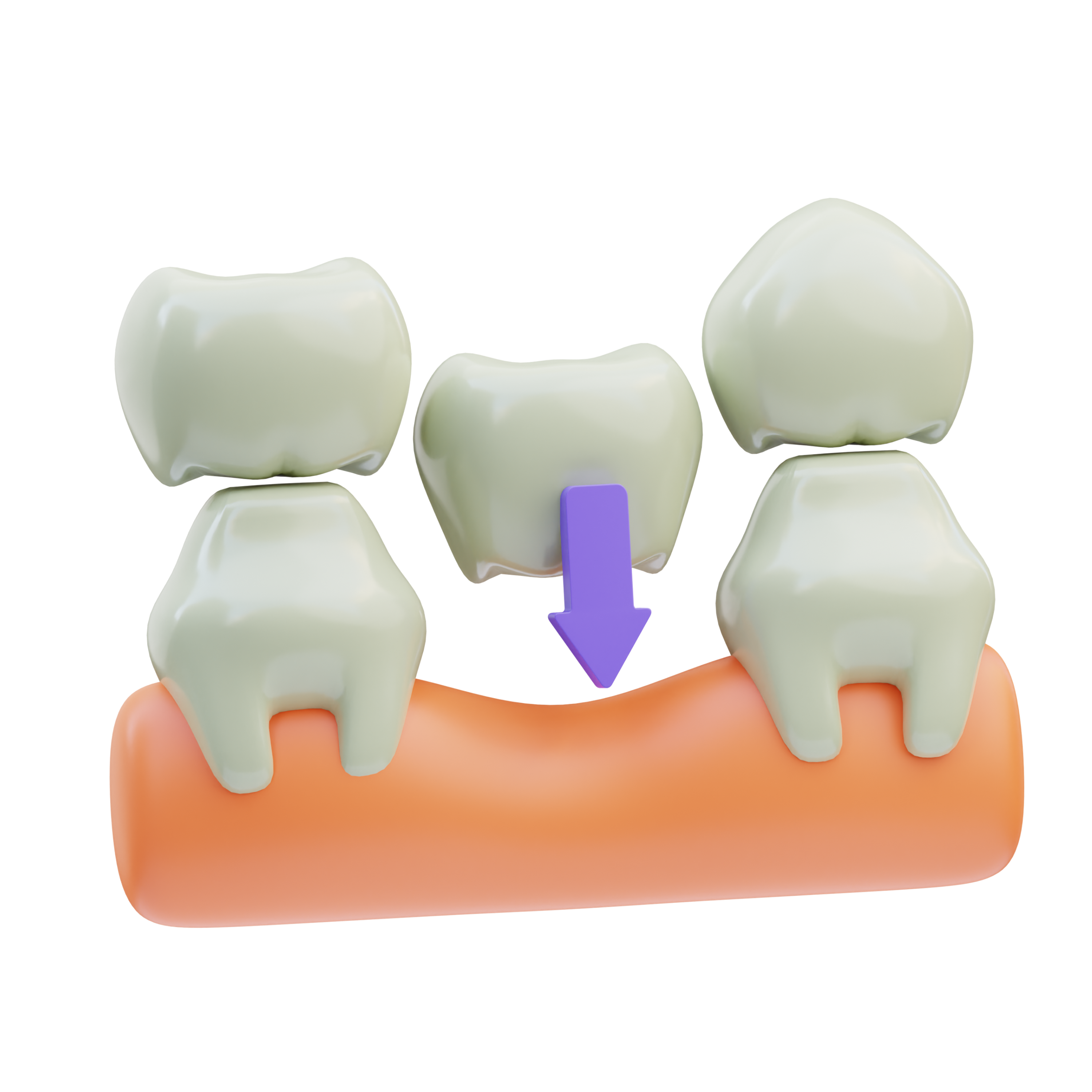
What are Dental Bridges?
- Dental bridges are a popular restorative treatment for replacing missing teeth.
- They consist of a pontic (false tooth) that is anchored in place by dental crowns on the adjacent teeth.
- Bridges are custom-made to blend seamlessly with your natural teeth, restoring your smile and functionality.
Treatment Process
- The first step in getting dental bridges is a comprehensive dental exam and consultation with your dentist.
- The adjacent teeth are prepared by removing a small amount of enamel to make room for the crowns.
- Impressions are taken to create a mold of your teeth, which is used to fabricate the custom bridge in a dental lab.
- Once the bridge is ready, it is carefully placed and adjusted for a perfect fit, restoring your smile.
Benefits of Dental Bridges
- Dental bridges not only improve the appearance of your smile but also restore proper chewing and speaking functionality.
- They help maintain the shape of your face and prevent the shifting of teeth due to missing teeth.
- Bridges are a durable and long-lasting solution for replacing missing teeth, with proper care and maintenance.
Aftercare & Maintenance
- Brush and floss regularly to keep your dental bridges and natural teeth clean and healthy.
- Avoid chewing hard or sticky foods that can damage the bridge or cause it to come loose.
- Schedule regular check-ups with your dentist to ensure the long-term success of your dental bridges.
- Consider using a water flosser or special floss threaders to clean around and under the bridge for optimal oral hygiene.
Frequently Asked Question
How do dental bridges work?
Dental bridges span the gap where teeth are missing, anchored on either side by the natural teeth or implants, with artificial teeth filling the gap.
What are the types of dental bridges available?
The primary types of dental bridges include traditional bridges, cantilever bridges, Maryland bridges, and implant-supported bridges, each designed for specific situations and needs.
How long can a dental bridge last?
With proper care and maintenance, dental bridges can last 5 to 15 years or even longer.
Are dental bridges noticeable?
Dental bridges are designed to match the color and shape of your natural teeth, making them virtually unnoticeable.
Can anyone get a dental bridge?
Most people with missing teeth are candidates for dental bridges, but healthy gums and surrounding teeth are necessary to support the bridge.
Is the procedure for getting a dental bridge painful?
The procedure usually involves minimal discomfort, with local anesthesia used to numb the area. Post-procedure pain is typically manageable with over-the-counter pain medication.
How does a dental bridge affect eating and speaking?
After a brief adjustment period, dental bridges restore the ability to eat and speak more naturally than with missing teeth, with most patients reporting significant improvement in function and confidence.
 SURGIDERMA DENTAL